Crew Research Log · APR 2026
MODAA Project Abstract Accepted by the IAC 2026 Conference
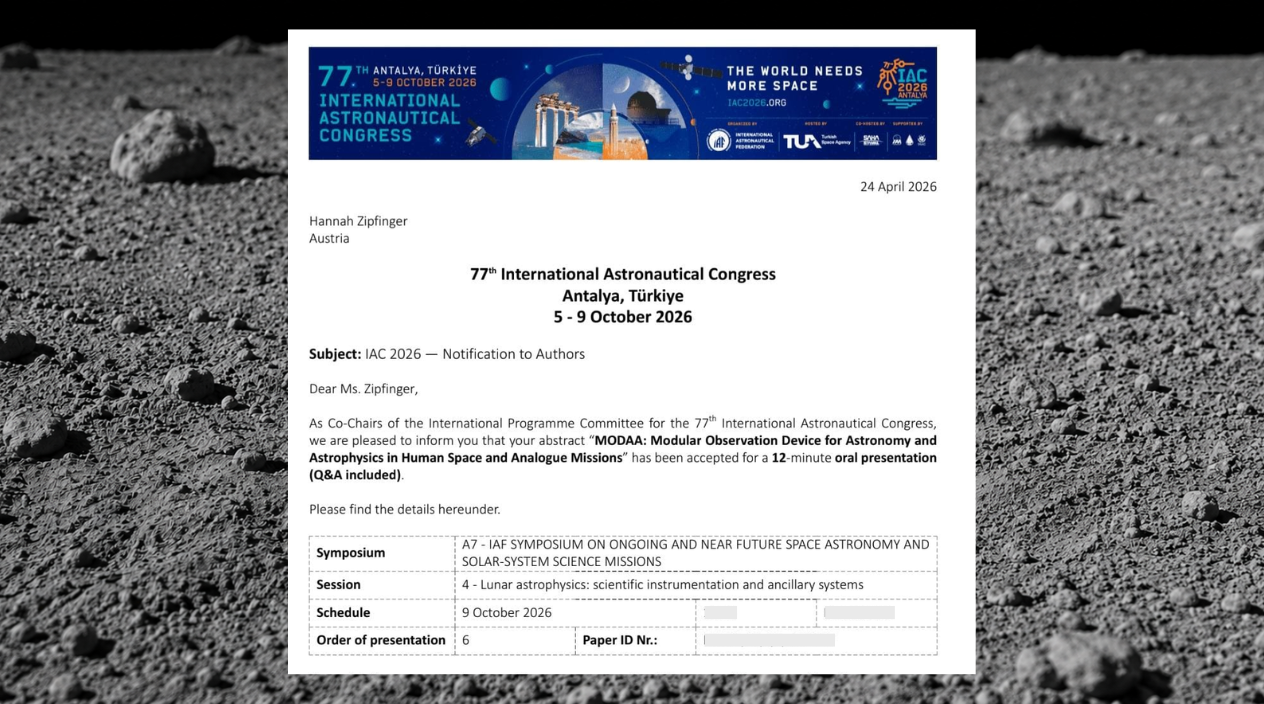
Crew Trouvelot's MODAA research abstract accepted to the IAC 2026 conference to be presented in an oral presentation.
READ MORE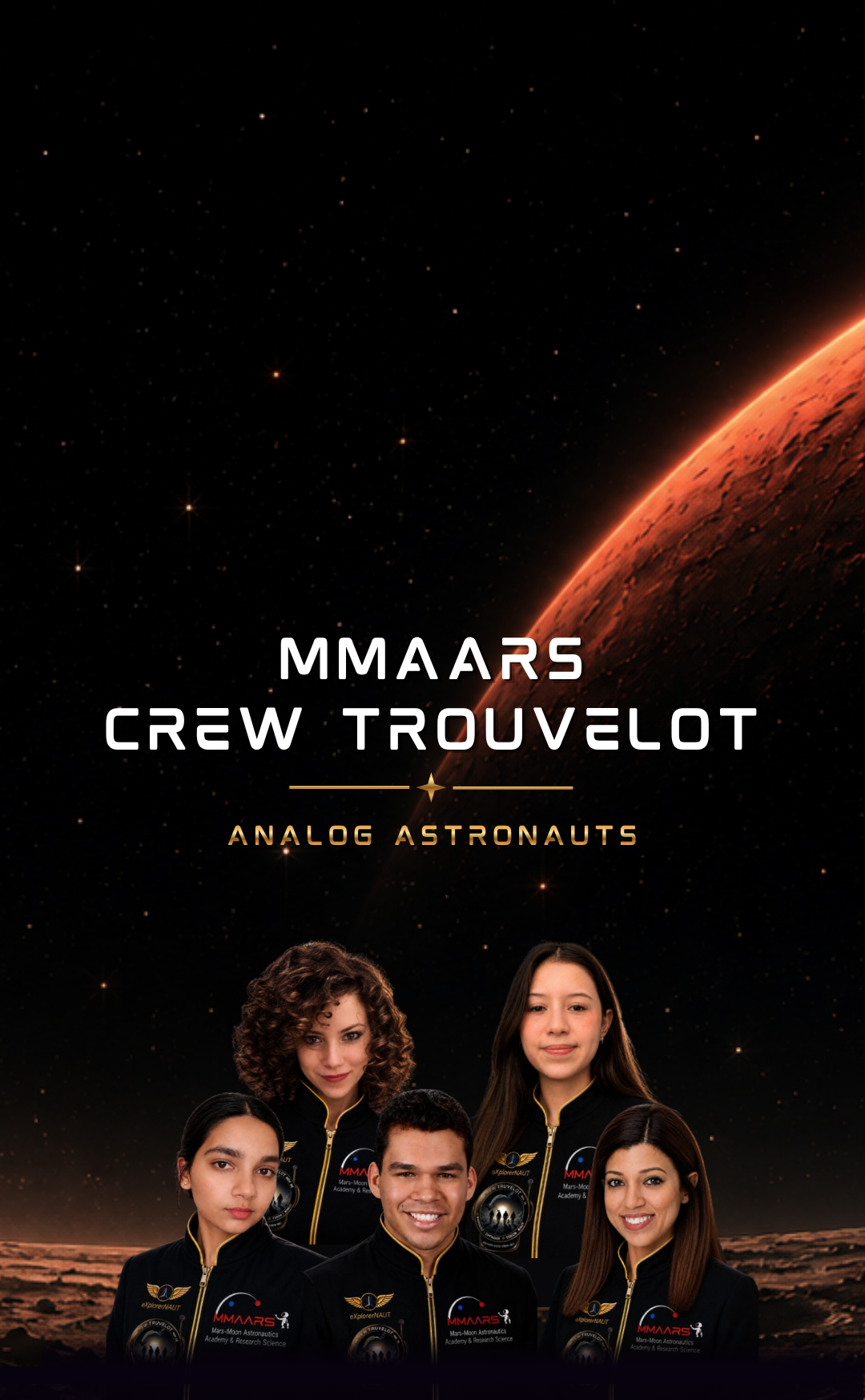

MISSION OVERVIEW
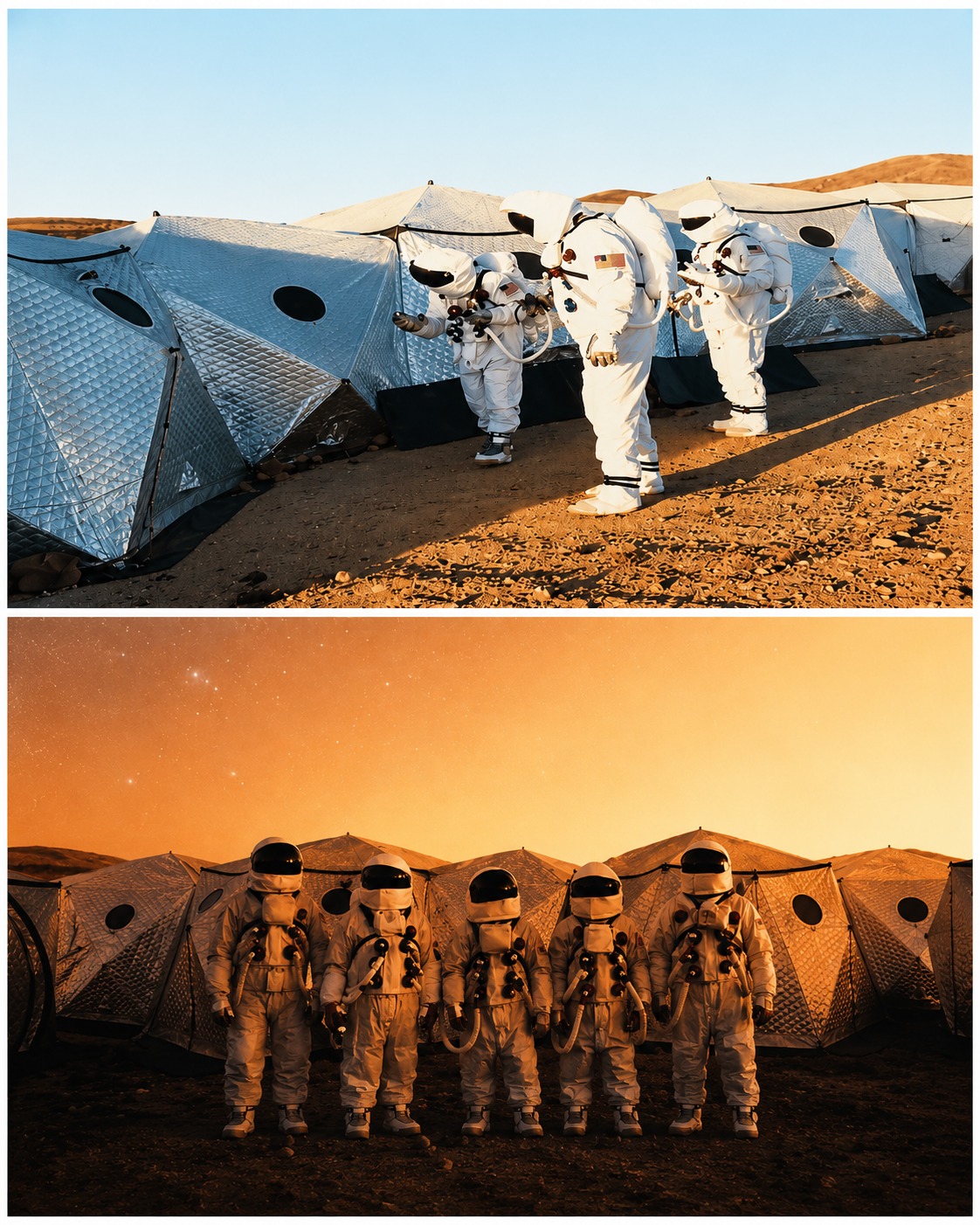
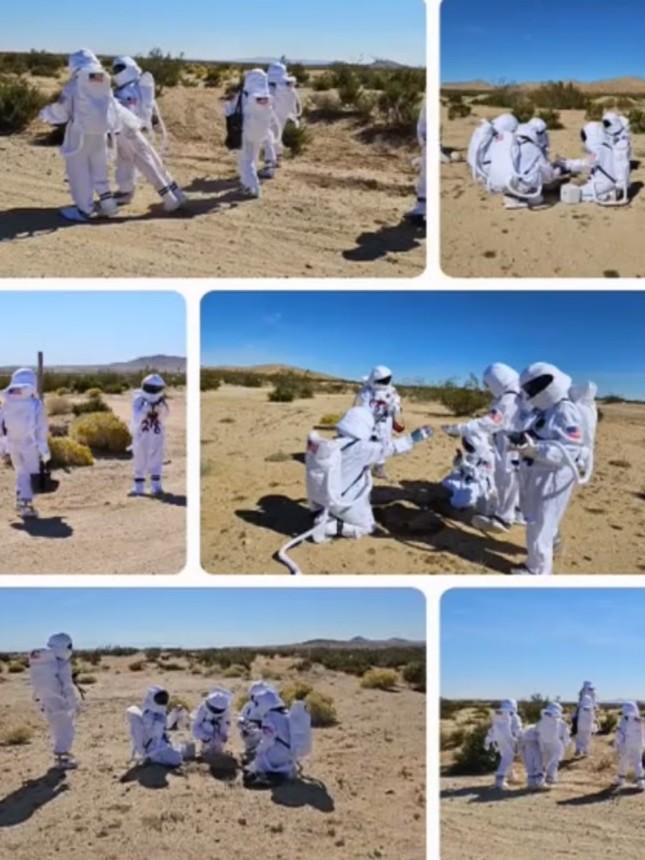
Mission Helix is the first multi-week, fully immersive analog mission by Crew Trouvelot conducted at the ECOS Basecamp in Minnesota, a low-fidelity lunar habitat simulator in an Isolated, Confined and Extreme (ICE) environment. The mission replicates the solitude, resource constraints, and operational logistics of a real extraterrestrial outpost.
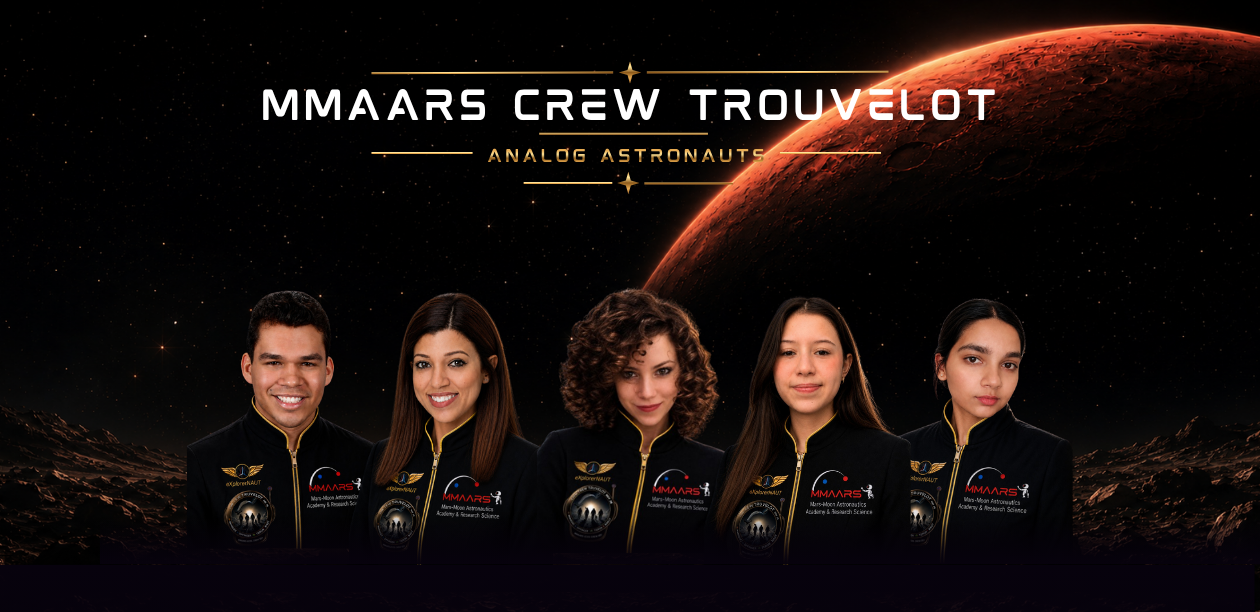
A crew of five MMAARS eXplorerNAUTS (analog astronauts) will conduct nine research projects spanning AI mission support frameworks, behavioral and physiological human factors, psychological isolation, and lunar astronomy instrumentation—generating valuable data to advance humanity's readiness for long-duration space habitation.
The Mars-Moon Astronautics Academy & Research Sciences (MMAARS) is an international education, research, and innovation organization dedicated to preparing the next generation of space explorers, scientists, engineers, physicians, entrepreneurs, and leaders for humanity's future beyond Earth.
DURATION
MULTI-WEEK
CREW
5 MEMBERS
EXPERIMENTS
9 MODULES
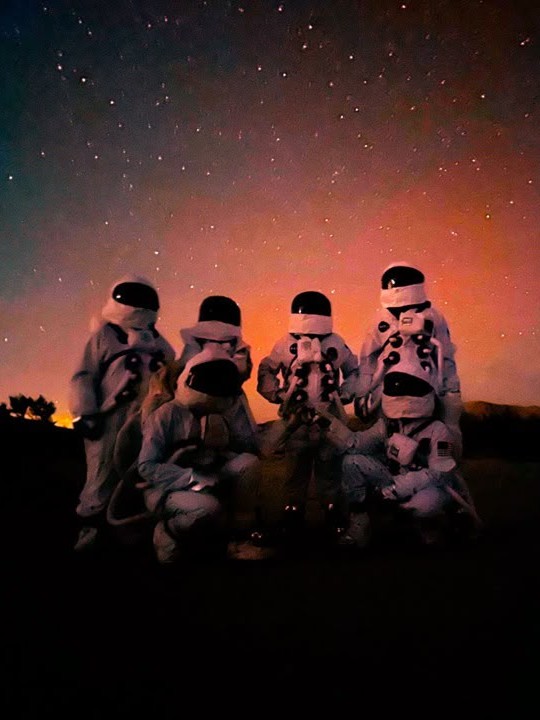
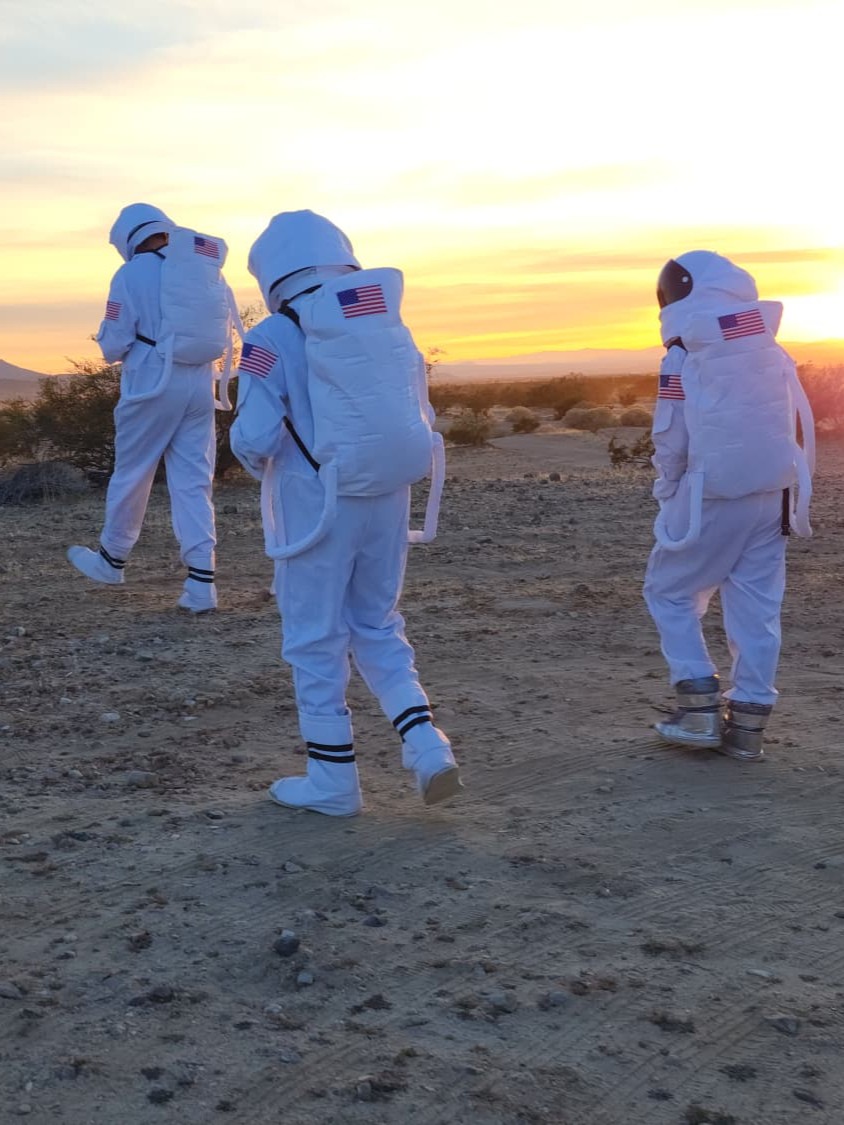

MMAARS BASECAMP

Each crew member brings a unique STEM background and specialized field research. Click to expand their full dossier and academic history.
PARTNER ORGANIZATIONS
Crew Trouvelot is made possible through the collaboration of two dedicated organizations advancing analog space research and education.
The Mars-Moon Astronautics Academy & Research Sciences, preparing the next generation of analog astronauts...
Learn More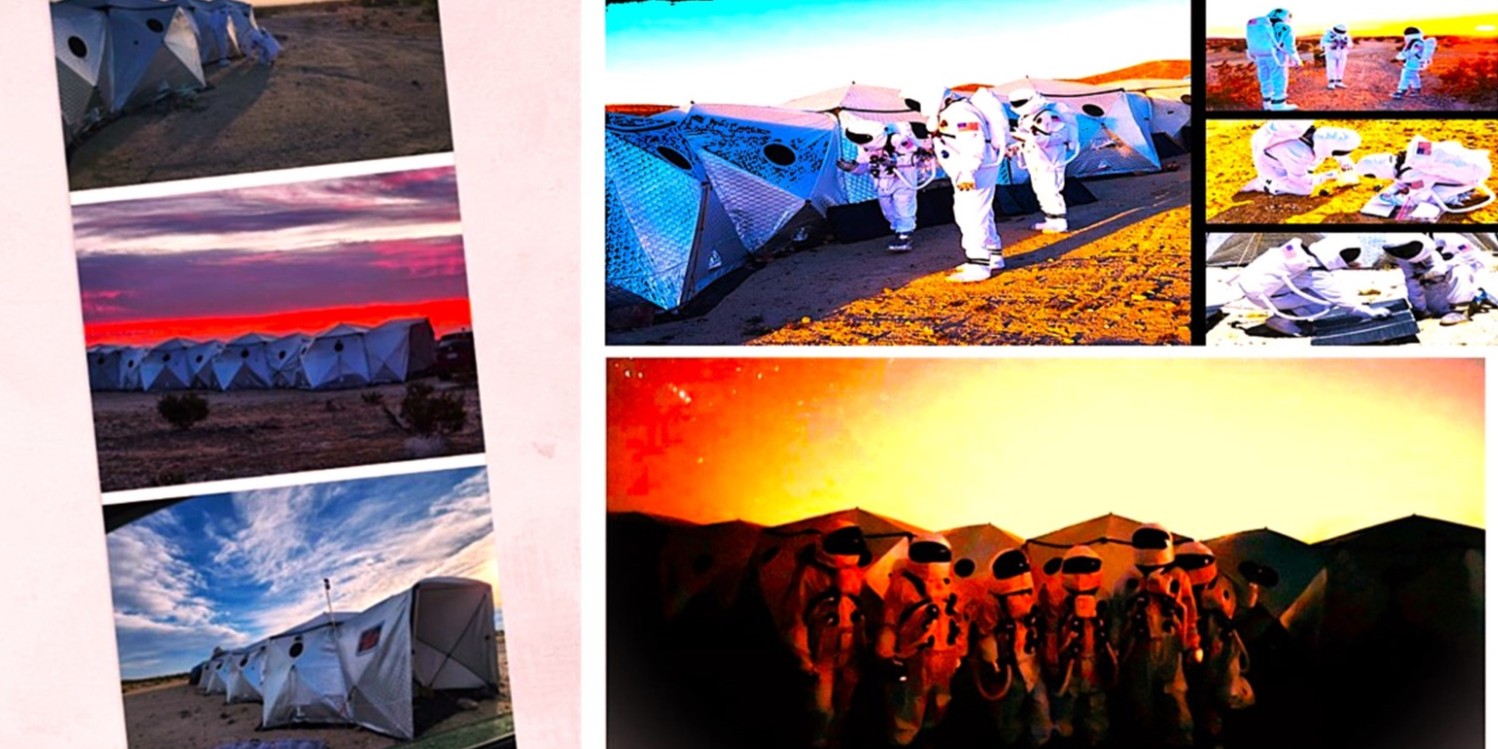
A space analog of Concordia College at Concordia Language Villages for immersive mission training...
Learn More
MISSION INTEL
Updates on the crew, their research, and the HELIX analog mission. Scroll through the feed and read the full story behind each report.
Crew Research Log · APR 2026
Crew Trouvelot's MODAA research abstract accepted to the IAC 2026 conference to be presented in an oral presentation.
READ MORE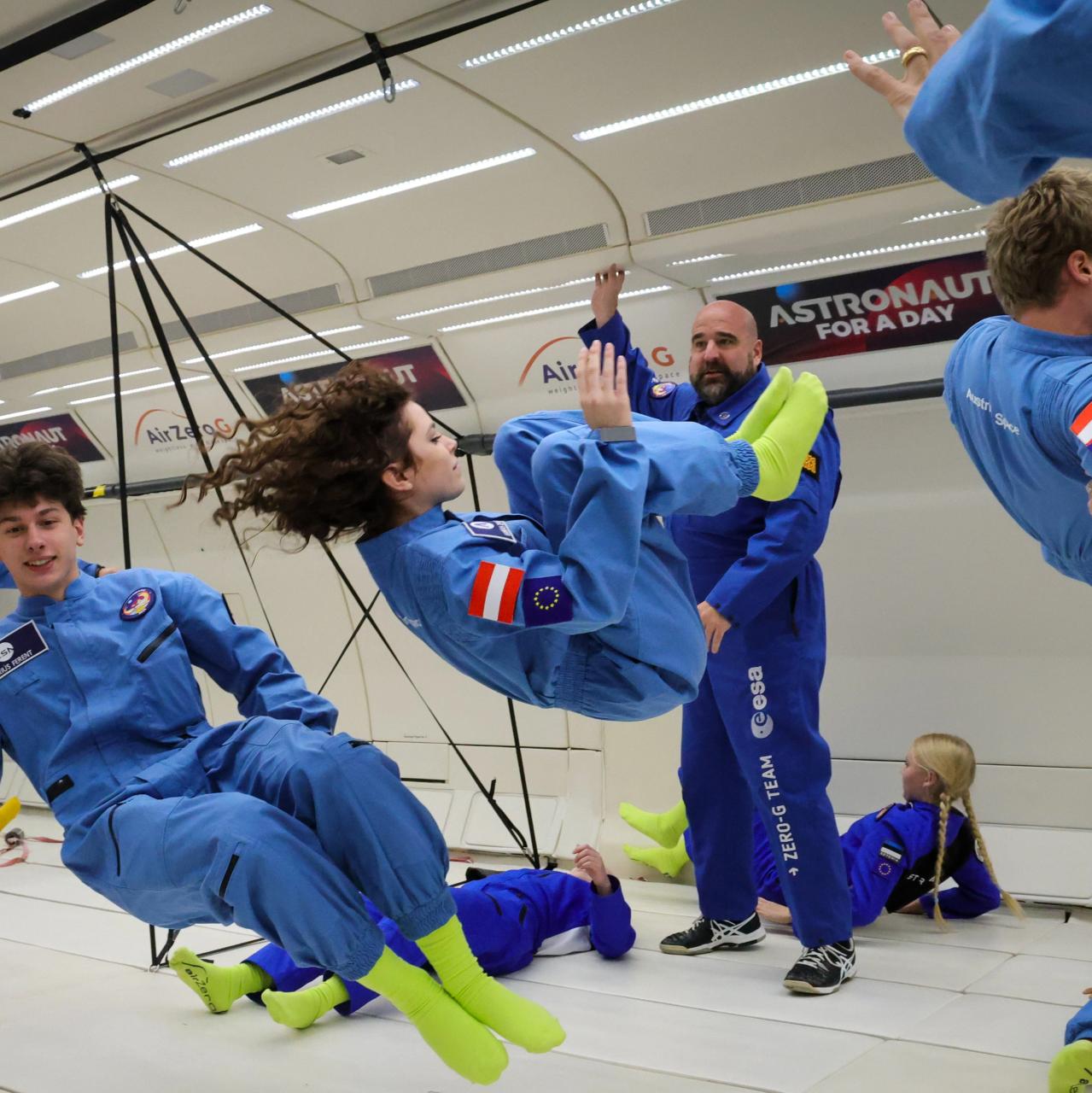
Crew Members Brief · OCT 2025
Crew Commander Hannah Zipfinger was selected to participate in the "Astronaut For A Day - Austria" program, on which she went aboard a Zero-G parabolic flight.
READ MORE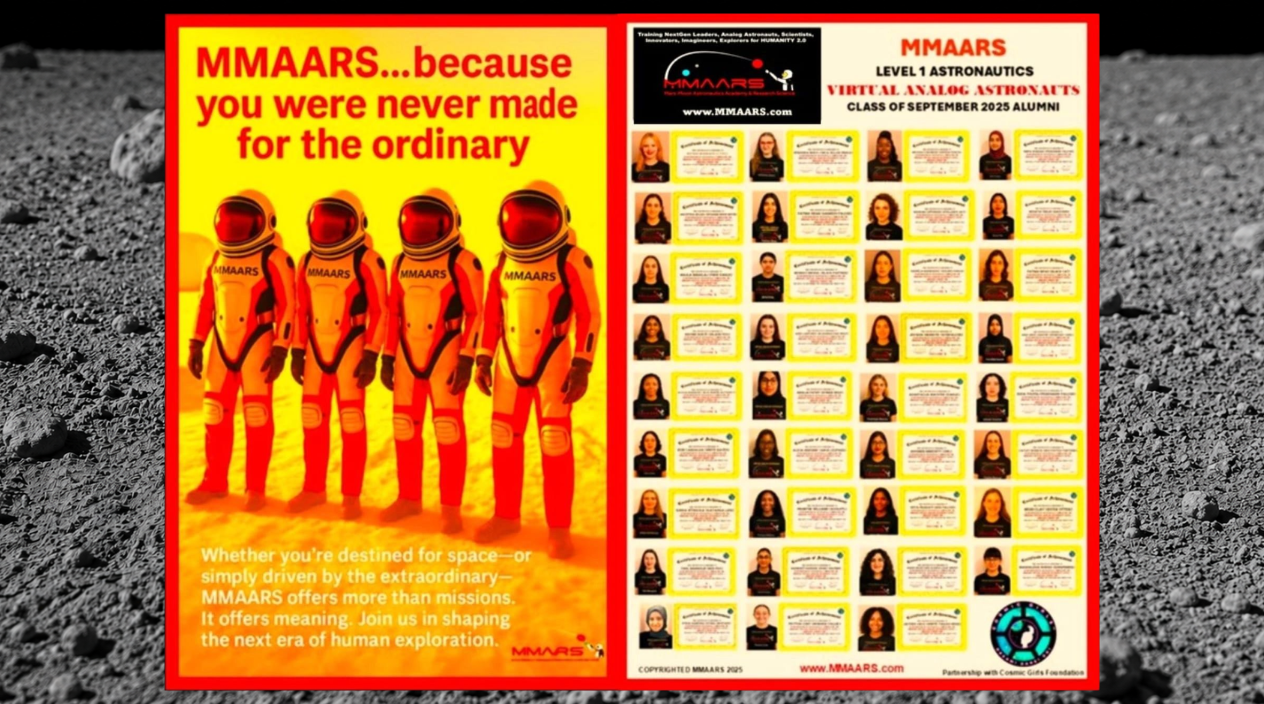
MMAARS Programs Log · SEP 2025
Crew members succesfully graduate from the MMAARS Virtual Level 1 eXplorerNAUT cohorts and receive scholarships to continue with Virtual Level 2.
READ MOREEXPERIMENT MODULES
Nine scientific experiments designed to push the boundaries of analog space research. Each module represents a critical investigation into sustainable extraterrestrial habitation.
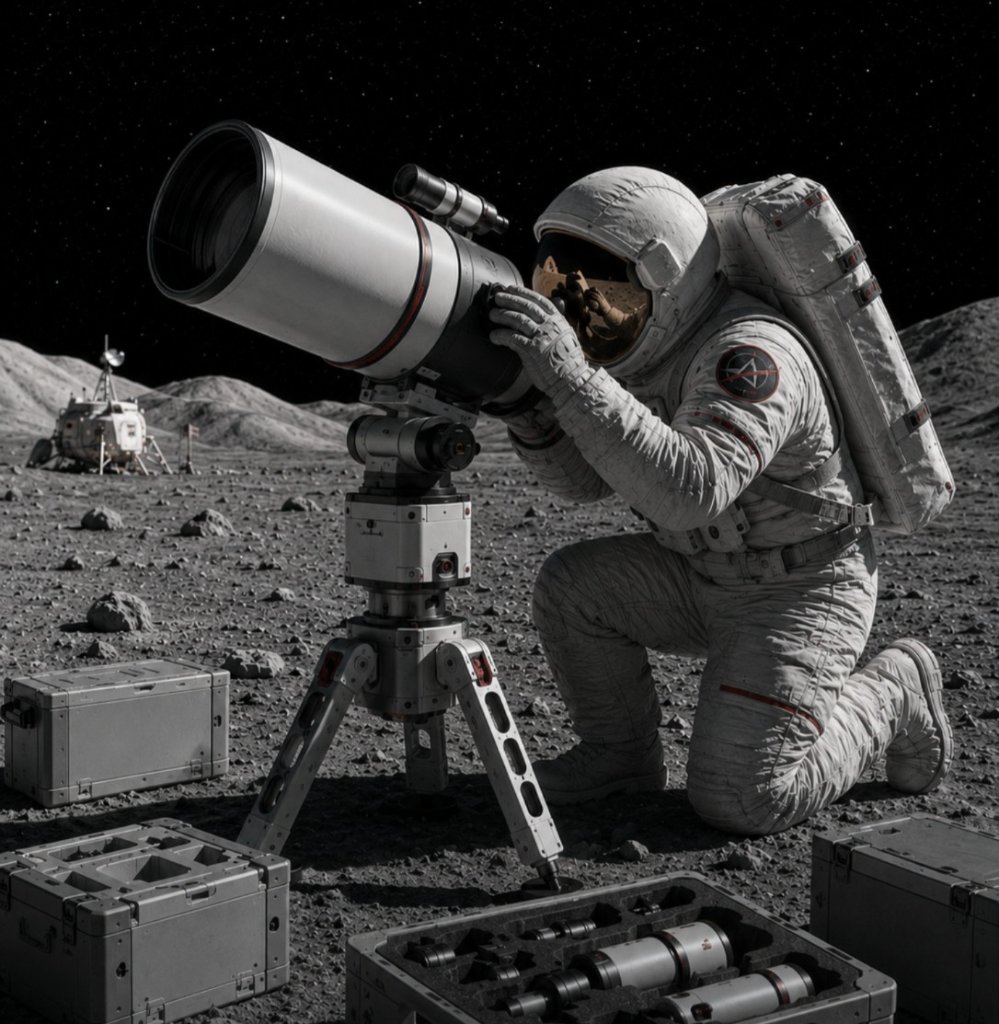
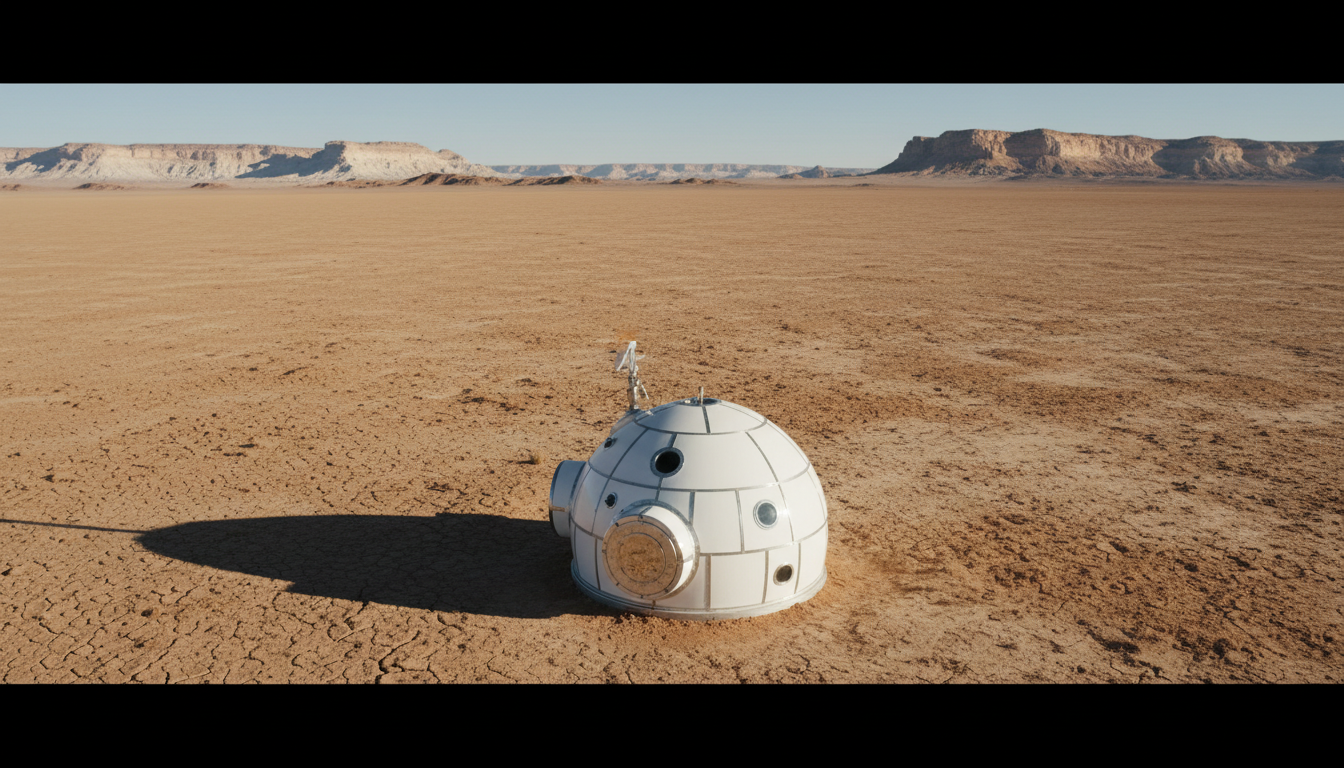
Developing and testing a modular, lightweight, and portable telescope to be used during crewed lunar and martian missions for astronomical observations and astrophysics studies. The experiment evaluates crew utilization and observational data gathering.
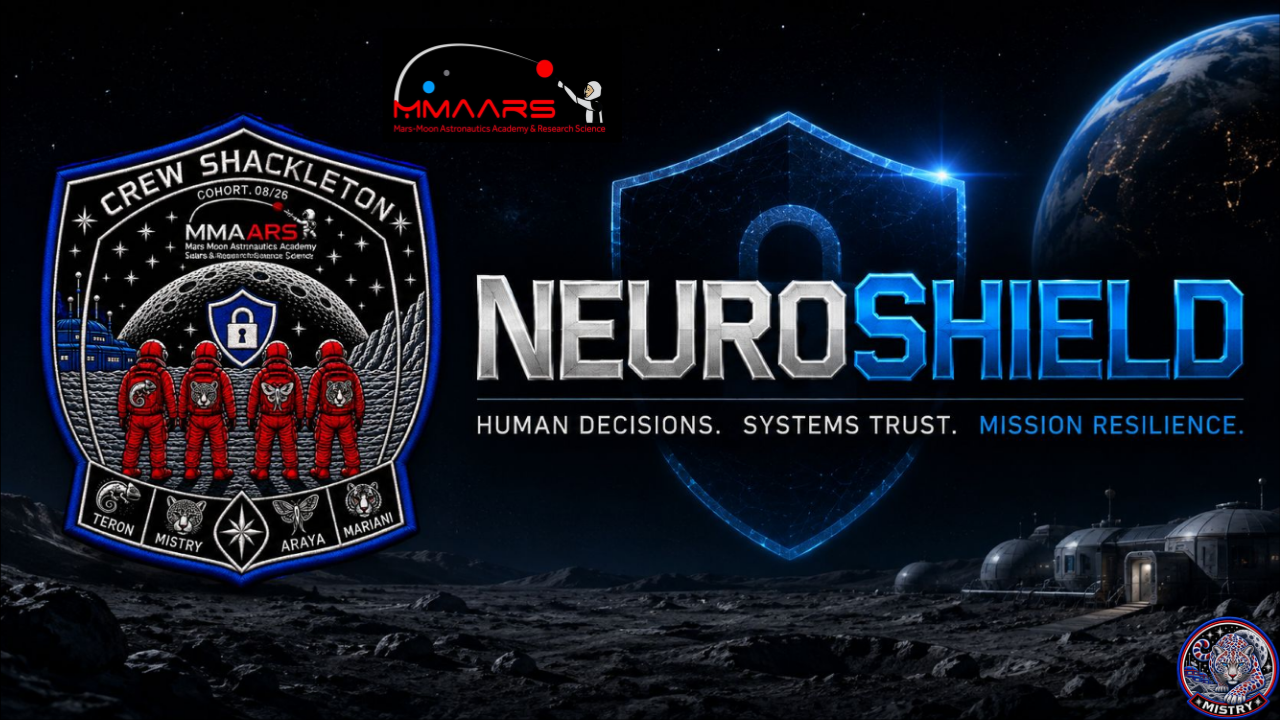
NeuroShield is a training and evaluation framework for human performance under cyber threats in space missions and high-risk Earth domains (healthcare, aviation, critical infrastructure). The project’s initial validation focuses on controlled analog mission scenario testing to establish baseline human performance under normal conditions versus cyber-stressed conditions. This will be conducted through progressive, scenario-based testing within analog missions with participant crew members. The approach will generate data-driven insights on how cyber stress impacts human performance, supporting the development of training protocols, resilient mission protocols, and human-centered cybersecurity system design. As crew autonomy increases and communication delays grow with Moon and Mars missions, reliance on human decision-making under uncertainty becomes even more critical. NeuroShield shifts the focus from purely technical cybersecurity solutions to the human decision-maker at the center of the mission. While most space cybersecurity efforts concentrate on protecting systems, this approach studies how astronauts interpret, react to, and act on information when those systems are compromised.
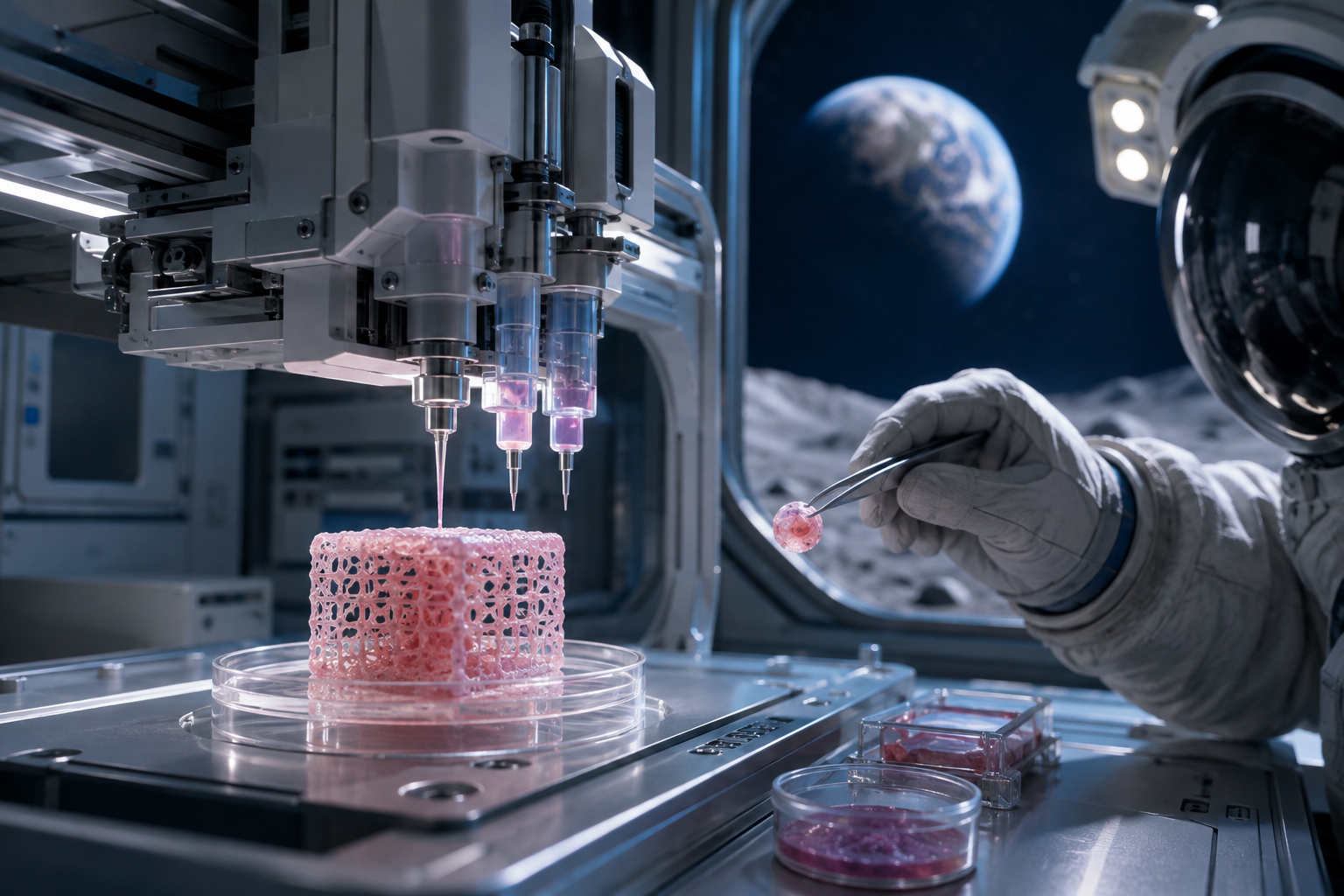
This project addresses the impracticality of carrying a complete, fixed pharmacy on missions where resupply is impossible and storage conditions degrade drug quality. It proposes the design and feasibility evaluation of an Autonomous Space Pharmacy — a compact, AI-supported 3D bioprinting platform capable of producing personalized tablets, fast-dissolving films, controlled-release doses, antibiotic hydrogel dressings, and regenerative biomaterials on demand. By combining pharmacokinetic modelling, biomaterials science, and AI-guided formulation, this research works toward a healthcare system that travels light but adapts to the astronaut, rather than the other way around.
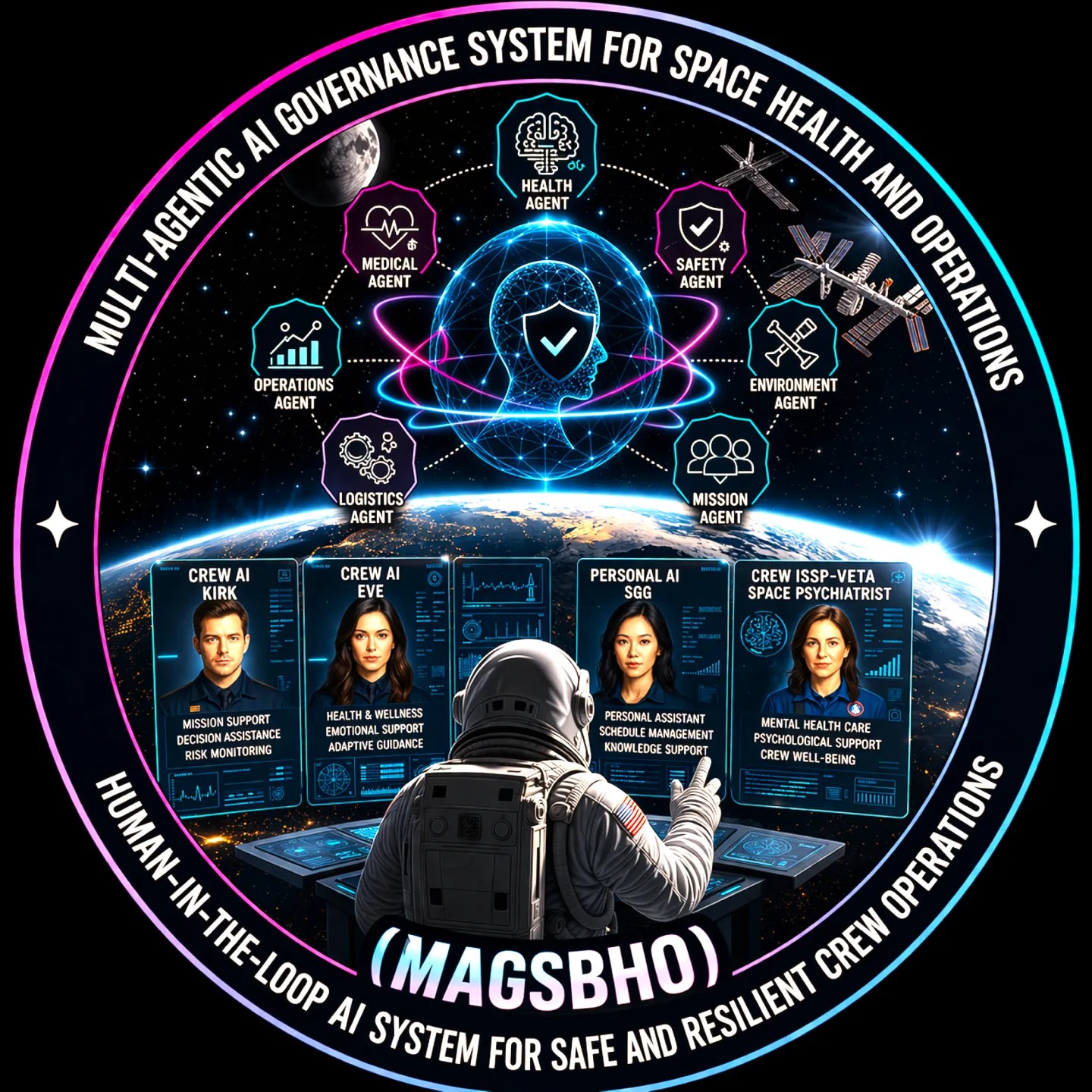
MAGSBHO is a governance-constrained, multi-agentic AI framework designed to provide operational support, behavioral health guidance, and personal safety monitoring to crew members during MMAARS analog missions. Built on a human-in-the-loop architecture, the system prioritizes safety, transparency, and controlled autonomy in environments where decisions directly impact human health and mission outcomes.

The Integrated Space Psychiatry System – Virtual Embodiment Tele-Psychiatrist Avatar is an AI-driven clinical simulation and behavioral health triage platform designed to support psychological monitoring, assessment, and intervention in isolated, confined, and extreme (I.C.E.) environments. The system integrates virtual embodiment, telepresence, and intelligent decision-support to enable real-time evaluation of cognitive, emotional, and behavioral states under operational conditions.

VOICE–I.C.E.E (Voice and Speech Analysis in Isolated, Confined, and Extreme Environments) is an AI-driven research initiative investigating speech and voice as non-invasive digital biomarkers for detecting neurobehavioral, cognitive, and physiological stress in isolated, confined, and extreme environments (I.C.E.E). Leveraging advanced signal processing, machine learning, and longitudinal voice analysis, the system identifies subtle changes in vocal patterns associated with fatigue, stress, cognitive load, and neurological function.
A longitudinal, high-fidelity research initiative designed to characterize the biopsychosocial, genetic, epigenetic, and physiological responses of humans operating in isolated, confined, and extreme environments (I.C.E.E). Integrating multi-omics data,(genomics, epigenomics, transcriptomics, proteomics, metabolomics, and microbiome profiling) with continuous physiological and behavioral monitoring, the project aims to develop a systems-level understanding of human adaptation under environmental stress. Grounded in analog astronaut missions conducted in terrestrial I.C.E.E environments such as underwater habitats, high-altitude regions, and confined simulations, AAOLP examines key stressors, including isolation, circadian disruption, cognitive load, and psychological strain that parallel spaceflight conditions.

AI-powered digital twin platform designed to model human physiology and drug behavior in spaceflight and extreme environments. The system integrates physiologically based pharmacokinetic (PBPK) modeling, machine learning, and real-time wearable biosensor data to simulate how medications are absorbed, distributed, metabolized, and excreted under altered physiological conditions. Through integration with wearable biometrics and analog astronaut mission validation, VASTX advances the transition from reactive treatment models to predictive and precision-based medicine for spaceflight and remote terrestrial applications.
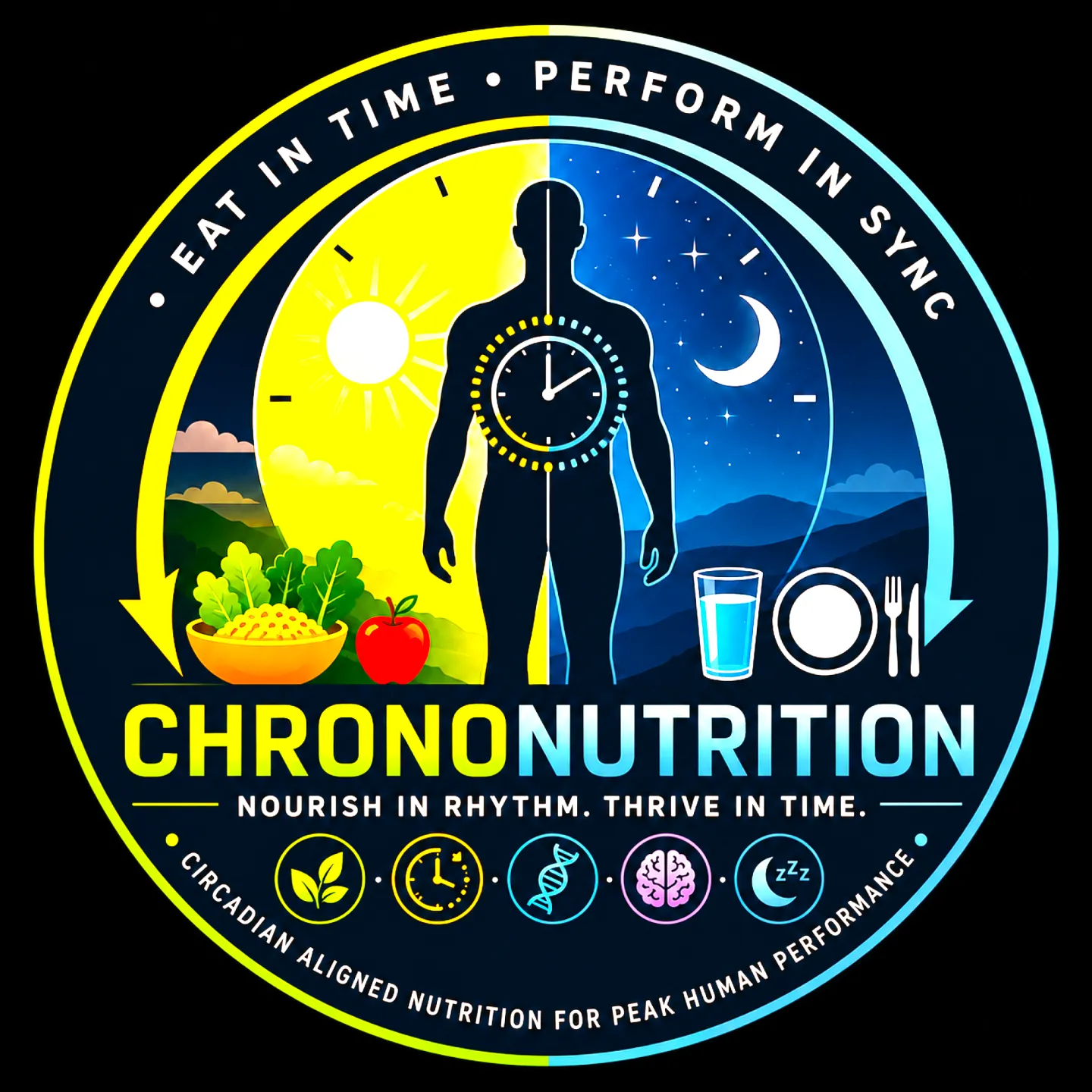
The Chrononutrition Timing Optimization Study is a pioneering operational research initiative developed through MMAARS under the longitudinal Analog Astronaut OMICS Library Project (AAOLP) framework to investigate how circadian-aligned meal timing may improve human adaptation, resilience, cognition, sleep quality, metabolic regulation, behavioral health, and operational performance within isolated, confined, and extreme environments (I.C.E.E.). While traditional astronaut nutrition research has primarily focused on calories, macronutrients, and food preservation systems, this study explores the emerging field of chrononutrition, which examines how the timing of food intake itself functions as a powerful biological regulator influencing circadian rhythms, hormonal signaling, mitochondrial metabolism, inflammation, cognitive performance, stress resilience, and sleep architecture.
MISSION FUNDRAISER
Select your level of support. Each tier directly funds critical mission equipment and mission expenses. Every contribution brings us closer to launch.
Provide to cover accommodation expenses for the crew before and after the mission.
Cover administrative fees and habitat maintenance costs.
Support the crew transportation expenses to the ECOS Basecamp.
Become a top-tier patron — the highest circle of support for Crew Trouvelot's Mission Helix.
TOTAL RAISED
$50
MISSION GOAL
$3,500
CREW MEMBERS
5
EXPERIMENTS
9